


























The Financial Brand: Why Your Bank Needs a ‘Crown & Anchor Society’
E.J. Kritz, Chief Experience Officer at DBSI, makes the case in his latest Financial Brand feature that most financial institution loyalty programs...
Come see the latest innovations, strategies, designs and technologies through hands-on experience.


Transform customer and employee experiences with strategic digital signage solutions that inform, engage, and inspire across every environment.
If you’re ready to get started with your next project and think DBSI may be a good partner, we should chat.
We are always looking to add talented, forward-thinking innovators to our team. If that sounds like you, you should apply for a role with us.

Want a frictionless banking experience for your clients? Well, you are in luck, we have the tools and strategies laid out to help you create an engineered experience.
The banking industry has been through a lot over the last century. Technology rocked the industry until everyone caught up and got online. Then personal computers and mobile phones made us think about banking from a whole new perspective. Now, consumer's expectations have everyone scrambling to find a way to attract and delight clients—that is, when they eventually come into the branch.
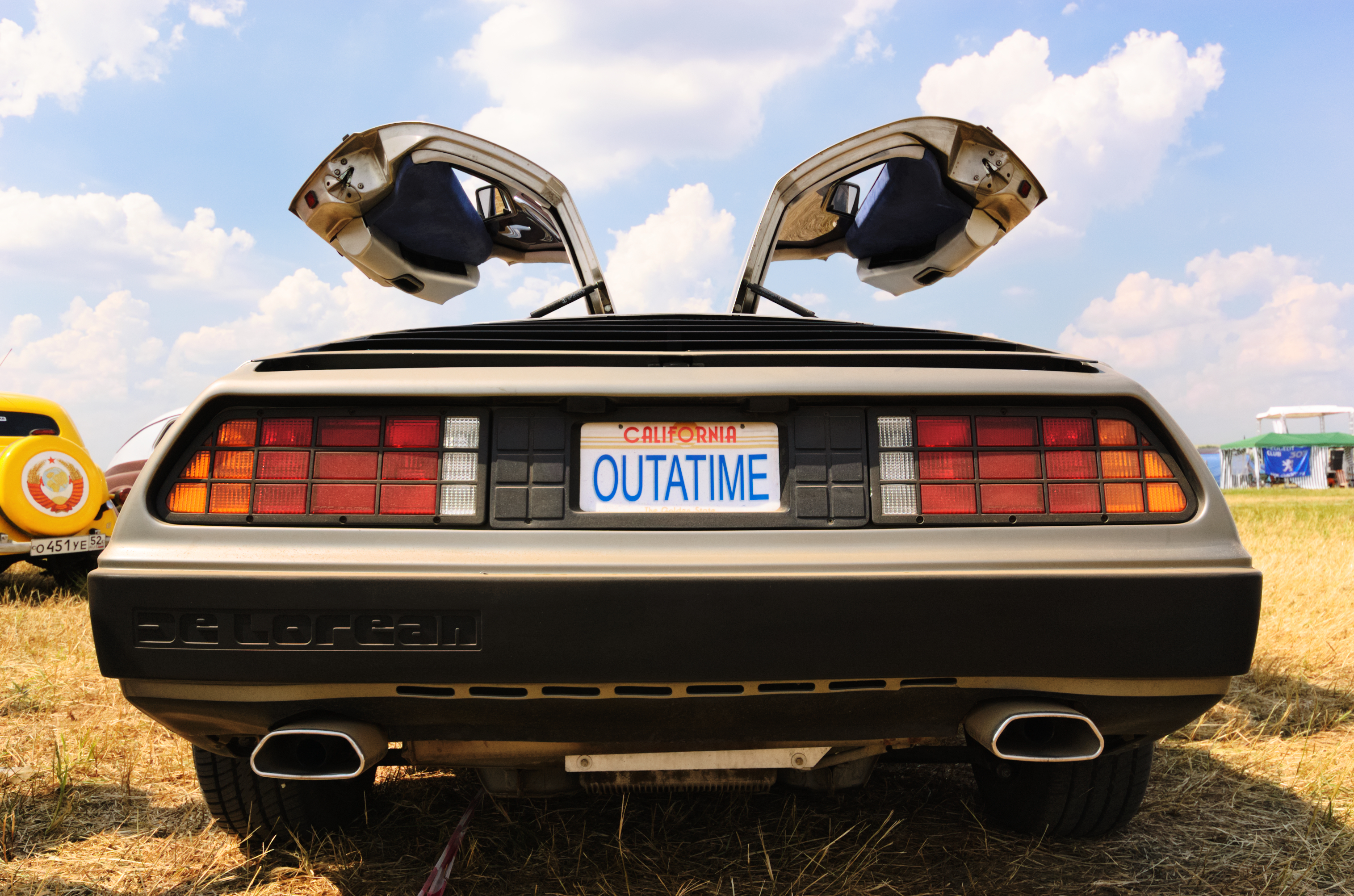
Banks and credit unions need to make changes today to stay relevant. Otherwise, their only hope is a DeLorean full of universal banking experts that comes in to save the day.
Where have we been?
Much like technology, the role of the teller is rapidly changing. Merely handling transactions and balancing cash drawers at the end of the night is no longer enough to cut it in today’s digital world. While technology may have been a distant second to the people serving clients in the early days of banking, it’s now a driving force shaping how staff and clients are served and interact with each other in today’s branch.
The 1940s Tellers of the Past | Tellers of the ‘40s spent their time standing behind the teller line completing simple transactions. Average pay in the 1940s was about $.92 per hour. (Fraser)
Late 1960s ATMs and Debit Cards Sweep the Nation | The Bank of Delaware launched the debit card in 1996. (Marketplace) On Sept. 2, 1969, the first U.S. automated teller machine, or ATM, was installed at Chemical Bank in Rockville Center, New York. (History.com)
The 2000s Smartphones Takeover | The first smartphone was introduced in the ‘90s but market saturation didn’t start until the 2000s with the introduction of the iPhone. Banking can now be done on a personal device from nearly anywhere. (The Verge)
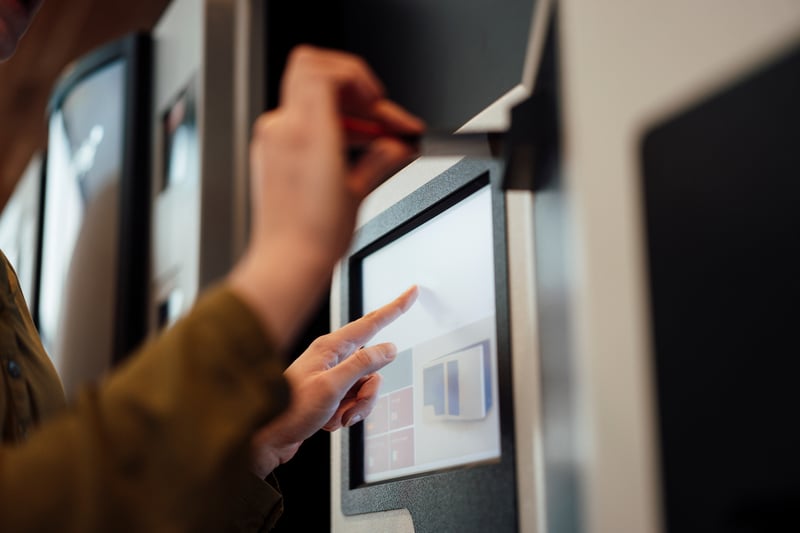
2013 Rise of the Self-Service Machines | In 2013 self-service took a new turn with the launch of interactive teller machines (ITMs) allowing clients to interact with remote tellers. With this innovation, face-to-face banking is no longer confined to the branch. (History)
See where we are going as an industry with the Timeline of the Teller infographic.
E.J. Kritz, Chief Experience Officer at DBSI, makes the case in his latest Financial Brand feature that most financial institution loyalty programs...
The version of Windows 10 running on many ATMs, interactive teller machines, and cash recyclers will stop receiving Microsoft support next month....
DBSI's interior design team triumphs at the IIDA Southwest Couture Showcase, winning Best Hair & Makeup with a piece that explores the tension...